Tea guides · Ask the bar
How much caffeine is in a matcha latte?
The question we hear most at the bar after 3 pm.
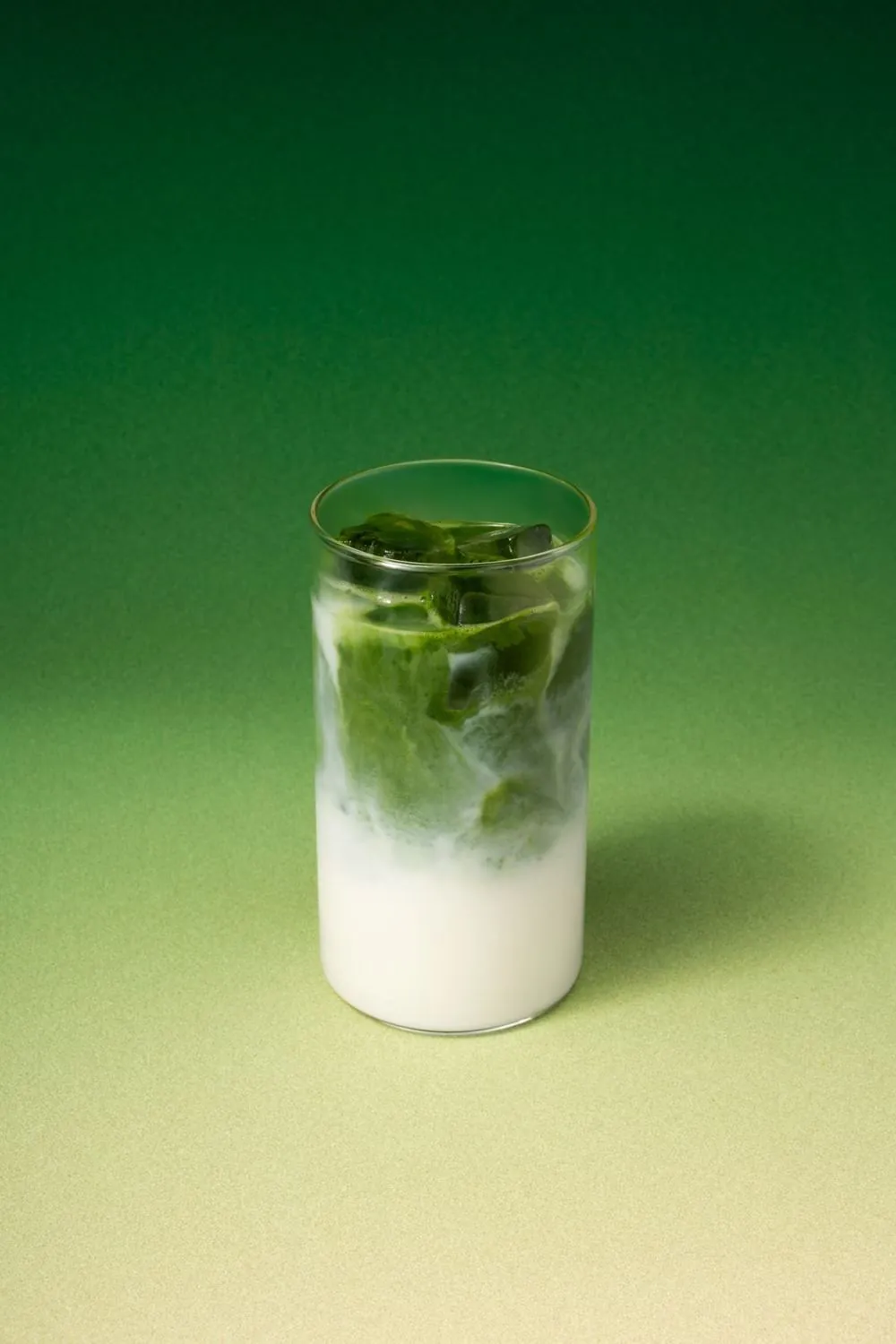
“If I drink this now, will I sleep tonight?” We hear it almost every day. The short answer: it depends on how much matcha is in your cup.
Matcha usually contains 19–44 mg of caffeine per gram, depending on the tea and the harvest. A size M latte at Matte uses 4 g of matcha and a size L uses 5 g. That puts an M at roughly 75–175 mg and an L at about 95–220 mg. These are estimates from published research, not measurements of Matte’s own tea.
For a sense of scale: a shot of espresso usually has 40–75 mg. Vietnamese phin coffee is much stronger, because robusta has nearly twice the caffeine of arabica and a phin uses far more coffee per cup of water than drip. Overall, a matcha latte sits in the same range as a cup of coffee.
Why does matcha have more caffeine than green tea?
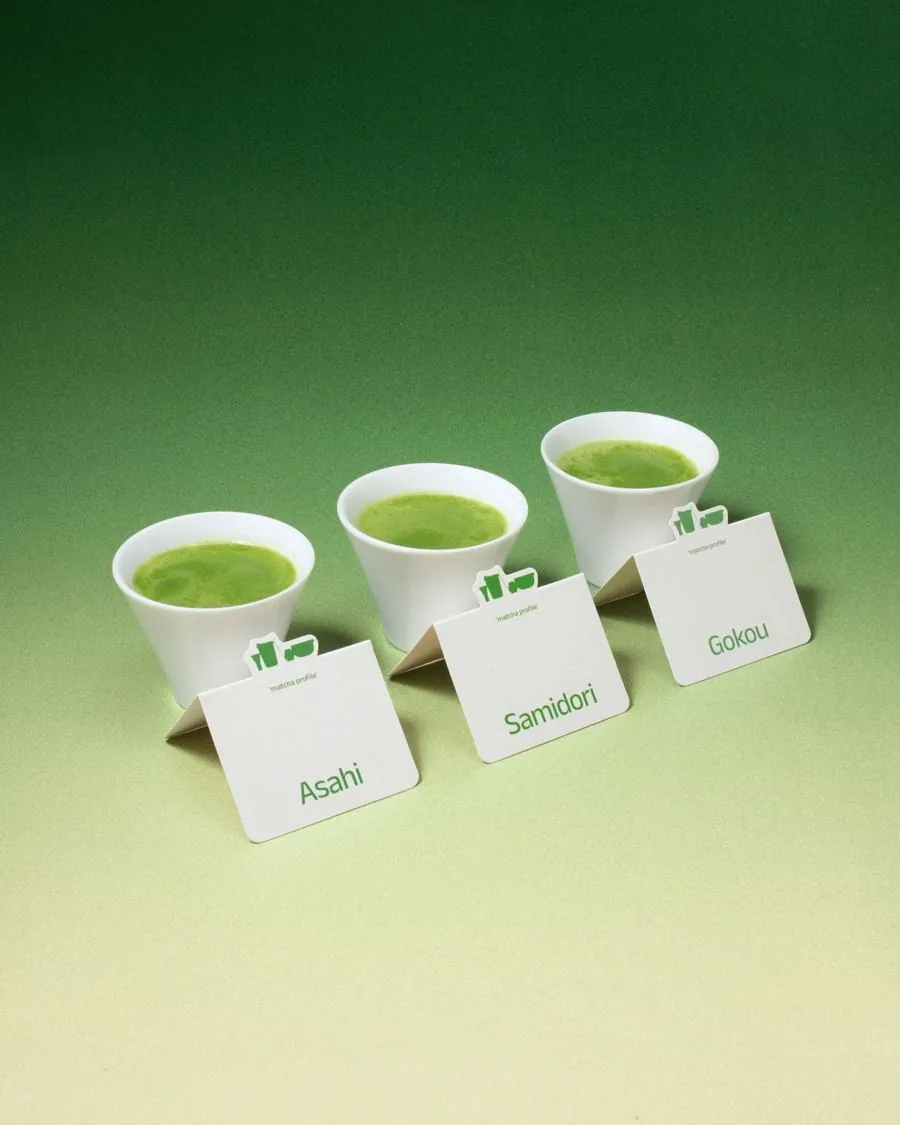
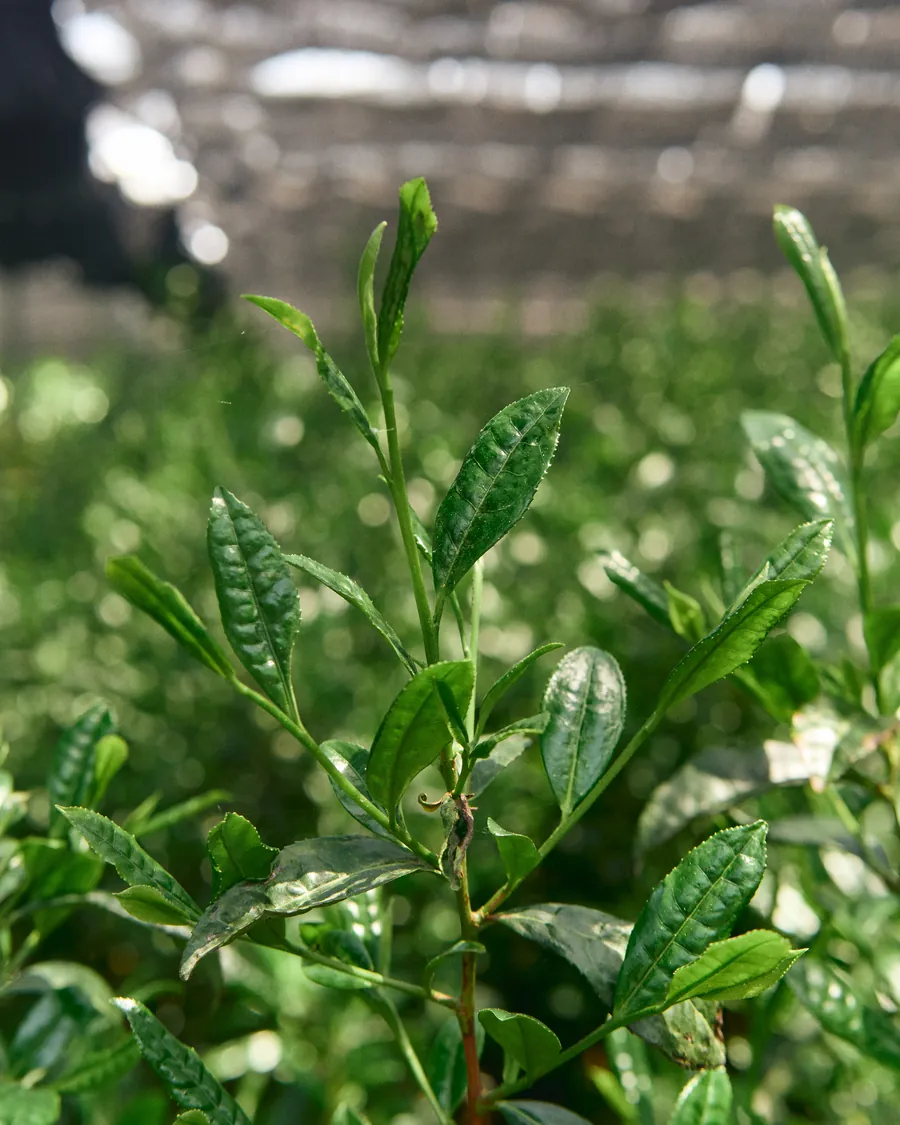
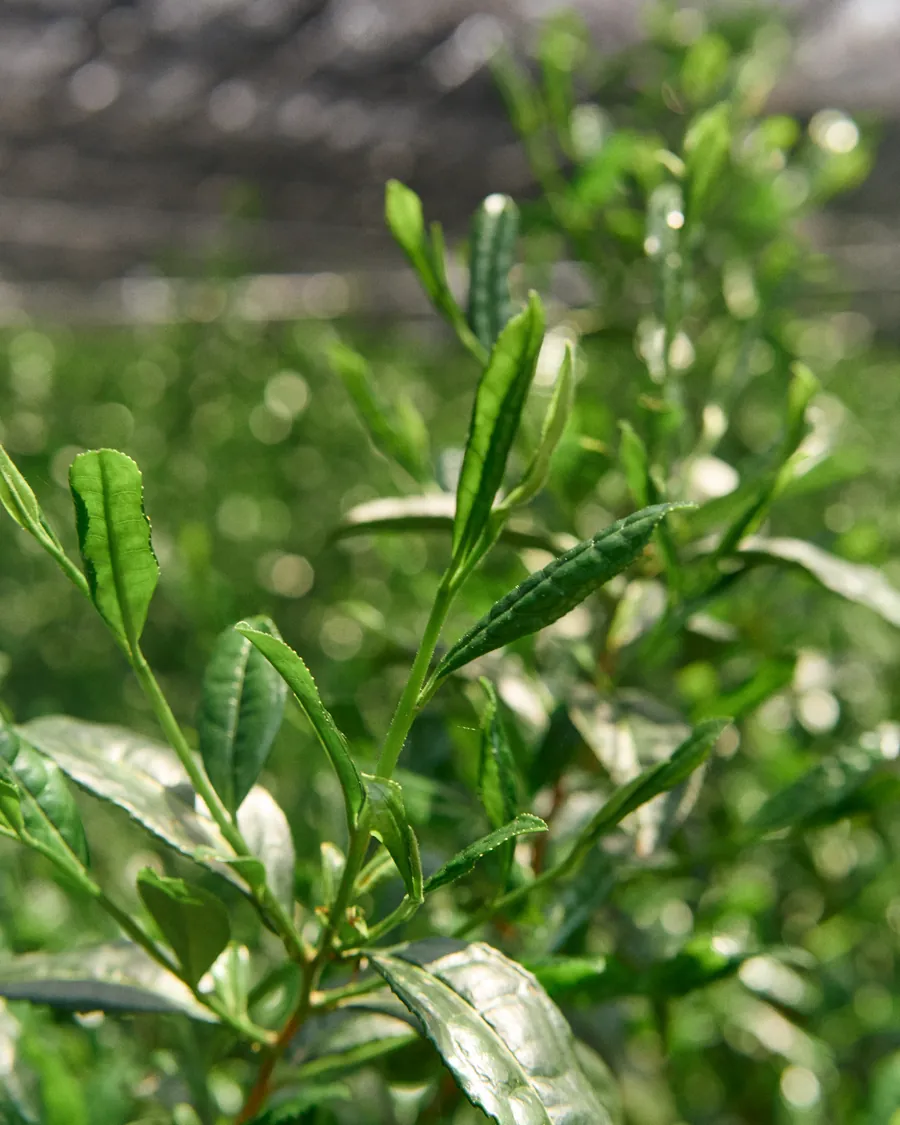
Because you drink the whole leaf. With leaf tea, you steep the leaves and throw them away, so only part of the caffeine reaches your cup. With matcha, the leaf is ground and whisked in, so all of it does. Shaded tea like matcha also tends to hold more caffeine than sun-grown leaf.
Many customers tell us matcha feels like a calmer kind of alert than coffee. Matcha contains L-theanine, an amino acid that shaded leaf is rich in, and that may be part of the reason. But everyone is different. If coffee makes you jittery, start with an M.
If you want less caffeine
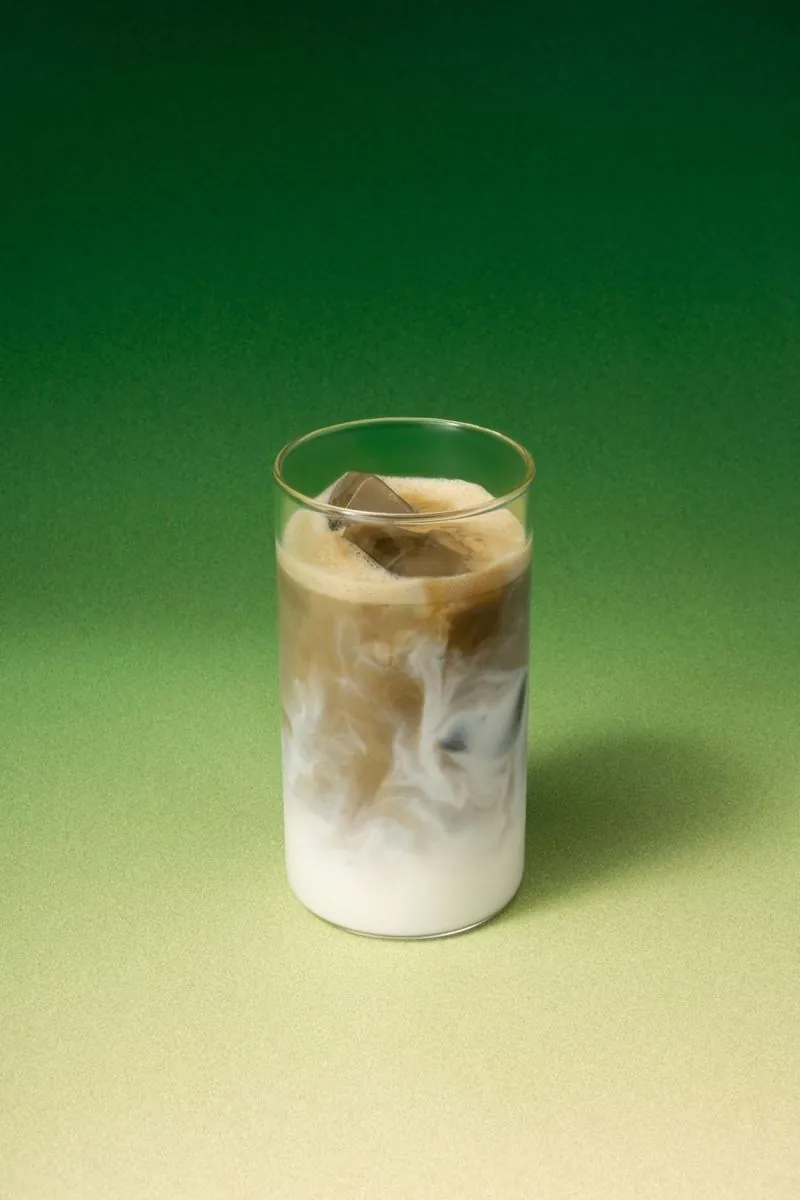
- Order an M instead of an L: one gram less matcha.
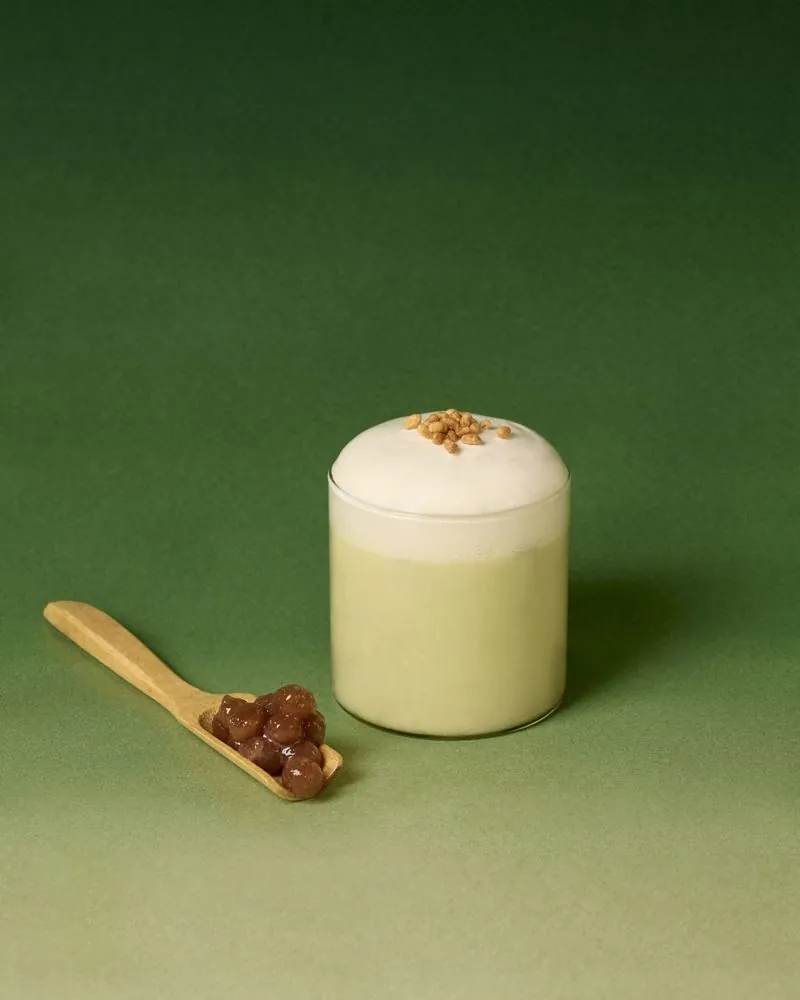
- Switch to the Light Roast Houjicha Latte. Houjicha is roasted green tea and generally the lower-caffeine choice, though it isn’t caffeine-free.
- In the evening, try a sencha or kabusecha milk tea.
Most experts suggest healthy adults stay under 400 mg of caffeine a day. Two Ls can come close to that. If you’re pregnant, sensitive to caffeine or on medication, check with your doctor.
Curious how houjicha, sencha and the rest compare? Read the five Japanese teas at Matte.
See you at Matte.
Eve & Đằng
Sources
Read next