Tea guides · Founder’s letter
We used to write “ceremonial grade” too
Why Matte stopped using the term, and what we taste for when we choose a matcha.
When we first opened, we described our matcha as “ceremonial grade” too, because everyone did. Customers searched for it, and every label printed it.
Then we learned something a little awkward: “ceremonial grade” isn’t a real grade. No authority in Japan or anywhere else defines it, measures it or polices it. One long-established Japanese tea house says plainly that it doesn’t use the term, because it was invented to sell matcha overseas and isn’t used in Japan.
So the words don’t tell you much about the tea in your cup. We stopped using them, and talk about the things you can taste instead.
What we taste for
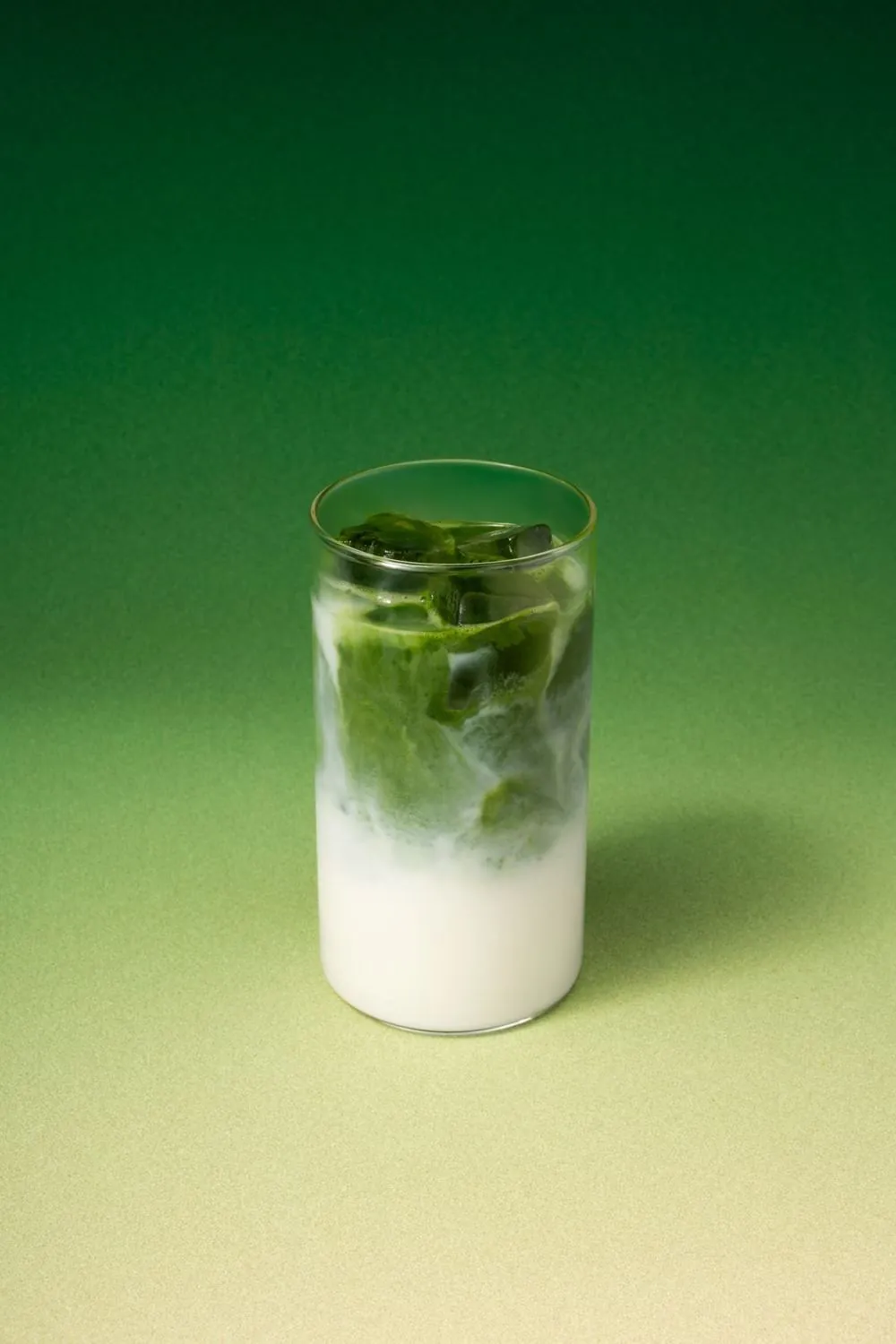
When we try a new matcha, we whisk it with water first, no milk. We look at the colour: vivid green or turning yellow. We smell it: young grass, seaweed, or something dry like hay. We feel the powder: fine as eyeshadow or a little gritty. Then we drink: sweetness and umami first and a light bitterness after, or harsh bitterness from the first sip.
Much of that silky feel comes from the milling. A traditional stone mill turns slowly and grinds only about 30 to 40 grams of matcha an hour, so the powder stays cool and very fine. All of Matte’s matcha is stone-milled.
“Best” depends on how you drink it
I used to think expensive matcha was the good stuff and cheap matcha just wasn’t as good. I also thought expensive matcha should only be drunk as koicha or usucha, and that mixing it into drinks was a “waste”. The more I travelled and the more people I met, the more I realised that good matcha, or matcha made right, is something you decide for yourself. Everyone has their own taste. And matcha is at its best when you enjoy it in a good moment.
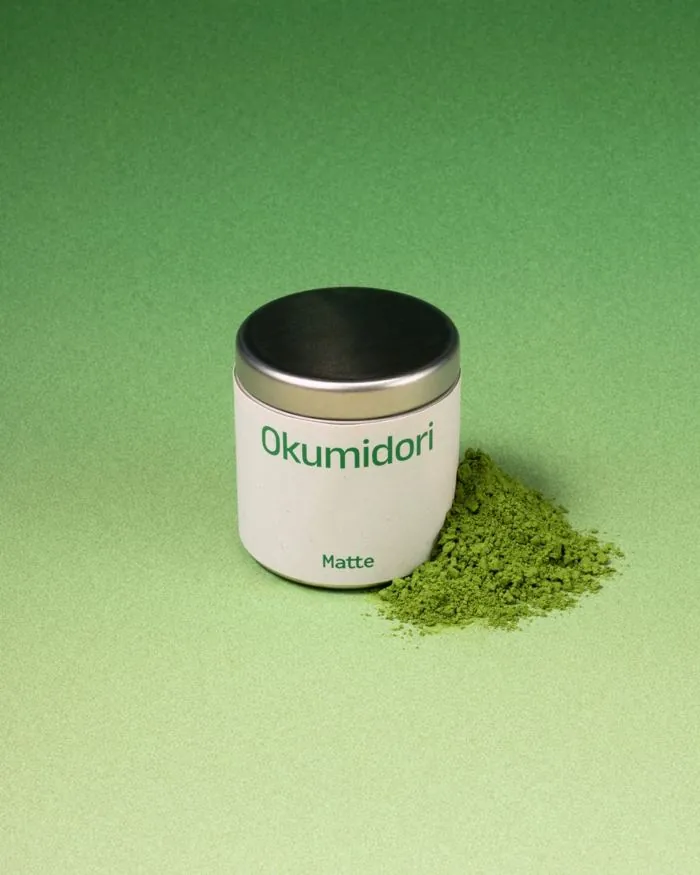
A single cultivar, matcha from one tea variety, lets you taste that variety’s own character, and it shines with just water. A blend is built to taste the same all year and to stay clear through milk. That’s why most lattes at Matte use our own house blends, while the single cultivars change with the season.
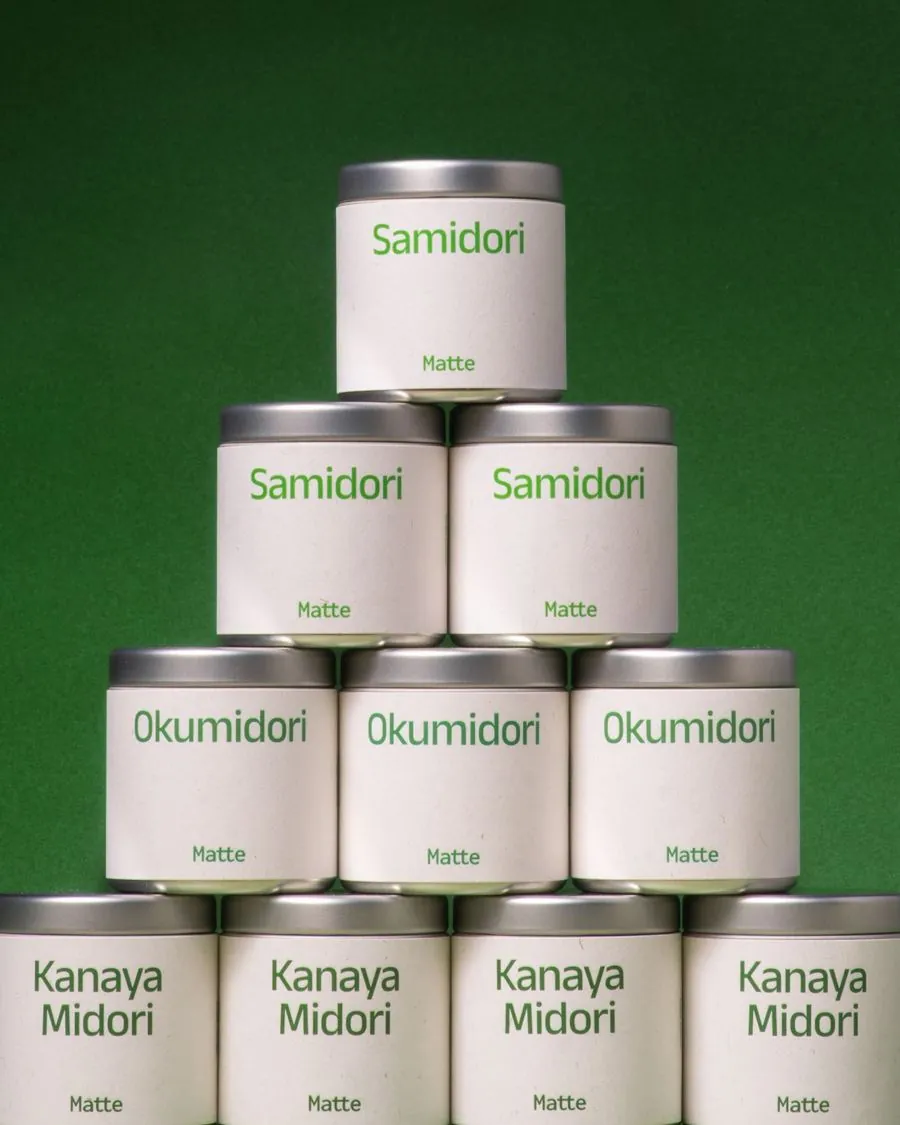
Next time you’re at the bar, ask which single cultivars are pouring this week. Tasting two side by side is the fastest way to learn.
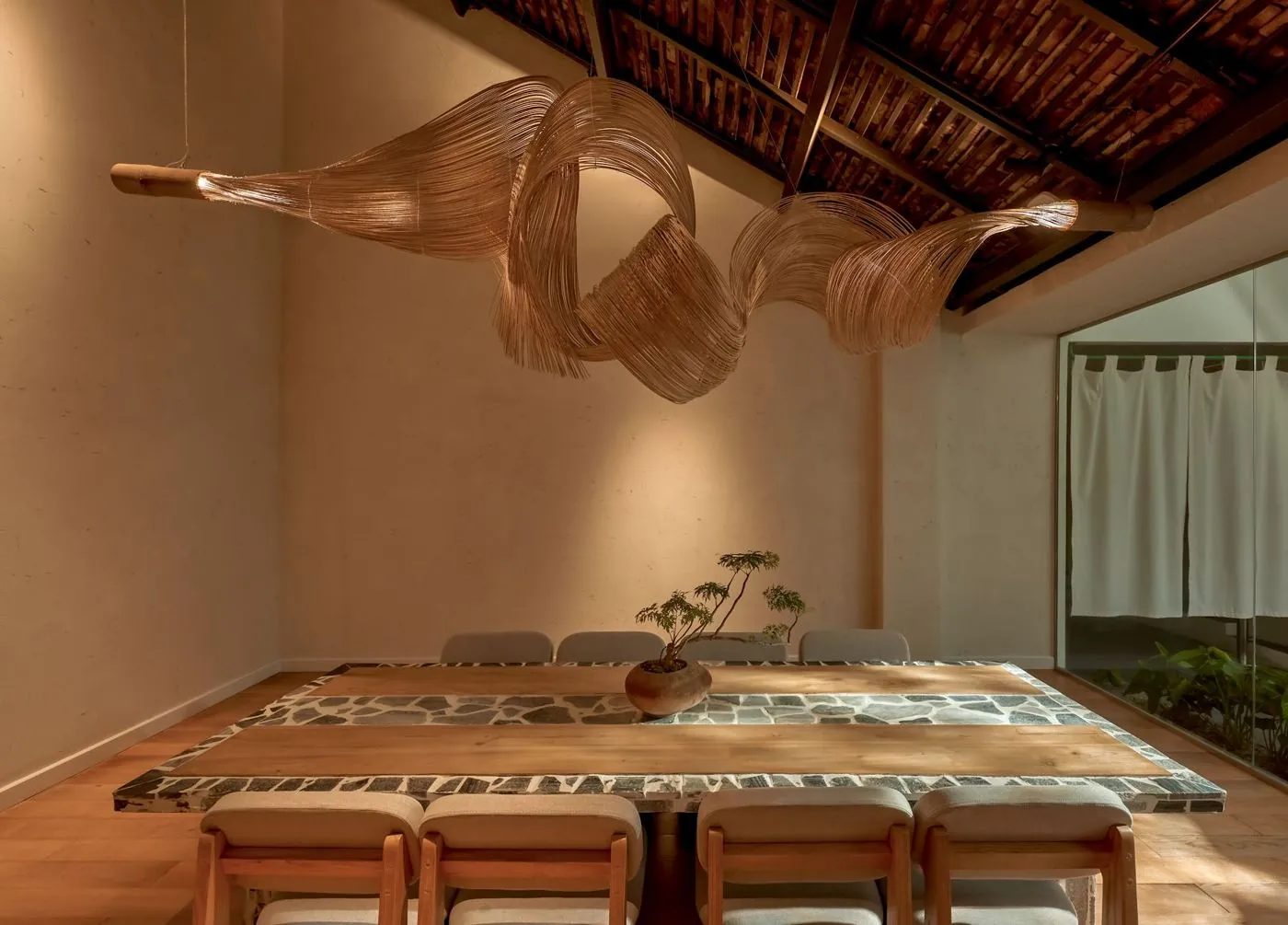
See you at Matte.
Eve & Đằng
Sources
Read next